

SCRAPBOOK #9
An Irregular Series Wherein I Take My Personal Interests Personally

No Algorithm
I want to begin this post with an apology to those who subscribe.
Lately, I have been struggling deeply with how to handle the shifting ground beneath our feet, how to talk about film, literature, art, and ideas in a way that doesn’t feel like an attempted escape from the reality of the world in which we live. Creativity, storytelling, and art are critical for how I experience reality— they provide meaning for me, a framework for interpretation, inspiration for feelings and emotions that the world around us is currently incapable of providing. You know the ones— joy, hope, happiness, etc.
I have a personal rule that has complicated my writing (and posting here) even more deeply, and that is, plainly, that I refuse to directly amplify fascists. At all. No quote posts, no sharing posts in order to critique them, no video clips over which I post my own jokes or eye rolls— no amplification. None.
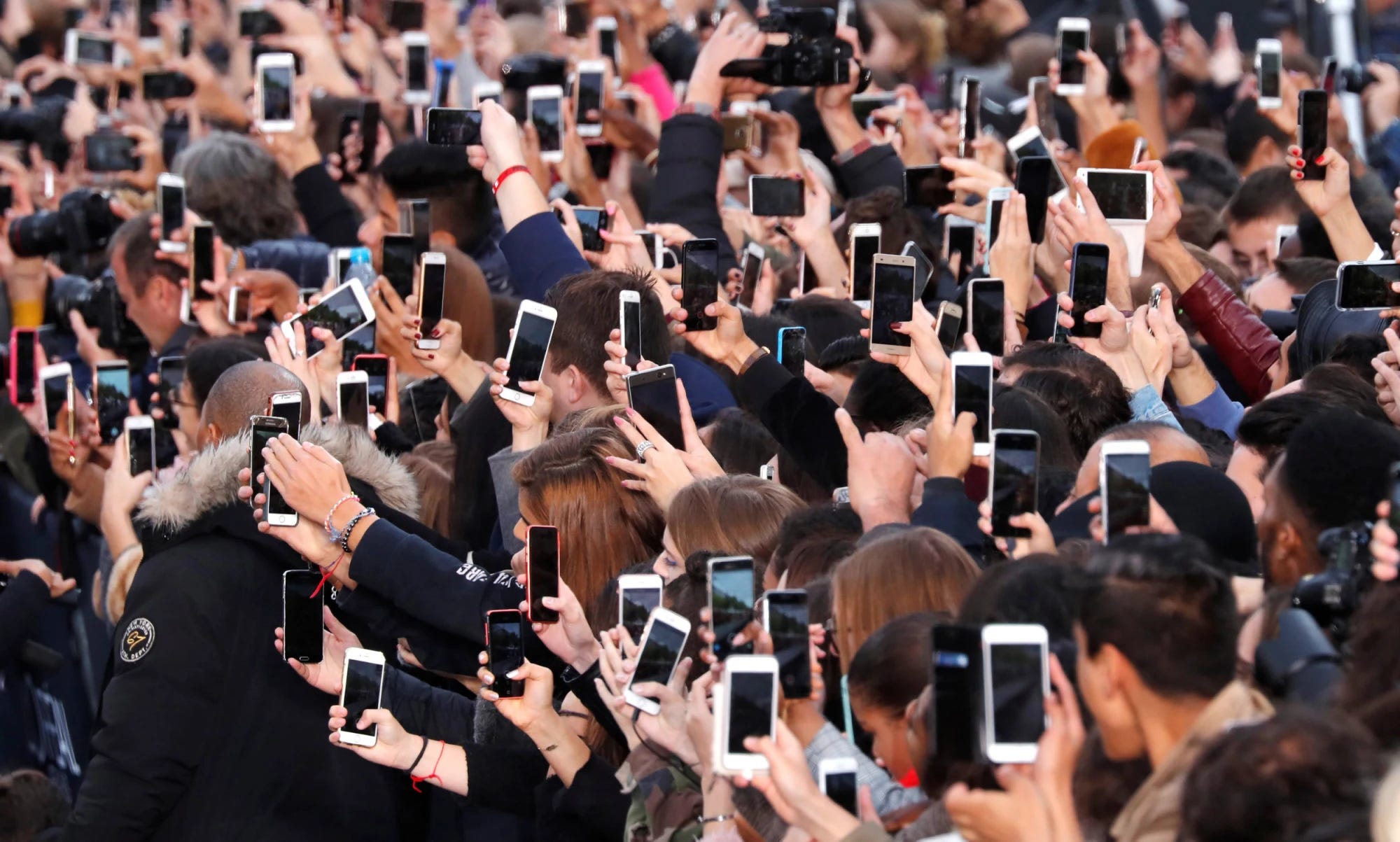
On the one hand, you have the “flood the zone” strategy of propagandists, creating a reactionary media environment that is incapable of handling disingenuous lies, and on the other hand, you have social media platforms begging you to share propaganda in order to create rage baiting engagement that serves the purpose of creating more divisive social media algorithms. This then creates an information environment where good people, unable to give voice to their outrage, do so by amplifying and spreading fascist disinformation by reacting to it.
But information doesn’t care about how you feel about it, fascist disinformation relies on hosts to spread— they don’t call it “going viral” for nothing. Reacting to propaganda by helping it move, even and especially critically, creates an ouroboros of self-owning where the angrier and more outraged one gets1, the more one speaks out against lies and corruption, the more power and reach those lies and corruption obtain. They become a source of hopelessness and powerlessness, creating a landscape where there is only one information framework against which you either comment or stay silent. Both of these reactions actively work against you.
So, what to do? The first is to build a process of awareness that does not rely on reacting to and amplifying propaganda and lies. Instead, let them say what they will, see it for what it is, and leave it where it is. By amplifying propaganda, you’re not changing minds, you’re likely preaching to your own choir, but you are also helping algorithms spread and share disinformation. Be aware, be angry, but do not amplify or share or spread propaganda. Suffocate it.
Next, we must actively create a critical response network, one that allows us to connect with others and share the truth, to find connection and communication on a personal level that undermines the impact of propaganda. It is easy to rely on digital social networks to do that work for us, but instead, we need to get personal, local, and organized. We need to connect as people, not as profiles.
Finally, and this is where I hope this newsletter can be of help, we need to replace hopelessness, meaninglessness, and the amplification of propaganda with hope, meaning, joy, and truth. Instead of operating from a reactionary position within the framework of propaganda and lies, we must create an alternative information value system that celebrates the things that we value.
Together, we have to replace propaganda systems with new systems of meaning, new ideas, and our own values. I have been thinking about how to do this— my own social media posting has declined heavily— but at the same time, it has been challenging. I have written less, I am despondent at seeing the state of the world. I am raising teenage boys in this environment, I am working as a film exhibitor, curator, non-profit leader, and festival programmer, trying to build connection through the experience of cinema. I am reading, seeing films, listening to music, thinking about how to create my own art, but it is a real challenge to try to do anything when *gestures at everything*
But I’ll keep trying. I hope you’ll continue to join me.

Cannes 2026
I am very excited to say that I will be attending Cannes this year, representing Montclair Film at the festival from May 12-19th. If you’re interested in meeting up, or having me write about your film at the festival, let me know! I plan to do daily journals from Cannes this time around, and hope to see friends and colleagues at the festival as we collectively grapple with the ticketing, security, and hierarchies, but also reveling in the global, human connection forged by cinema that makes Cannes what it is.
This year’s lineup will be announced on April 9, and the Competition Jury will be headed up by the director Park Chan-wook, whose most recent film NO OTHER CHOICE was a 2025 highlight. The rumors are already flying about which films will make their debuts, so here are some of the films I am hoping to see at Cannes.
1949 by Paweł Pawlikowski
I have been a fan of his work since I saw his film LAST RESORT (was it at The Quad or the Cinema Village?) in 2000. Since that time, he has grown so much as an artist and made phenomenal work, including IDA and 2018’s COLD WAR2, which are both contemporary classics. The new film had (has?) the working title of FATHERLAND, stars Sandra Hüller, was shot by Łukasz Żal, and is reportedly about Thomas Mann’s post WWII exploration of a divided Germany. I have read Mann’s The Magic Mountain3 and admire Luchino Visconti’s great cinematic Mann adaptation DEATH IN VENICE, so this film is right in my personal wheelhouse.
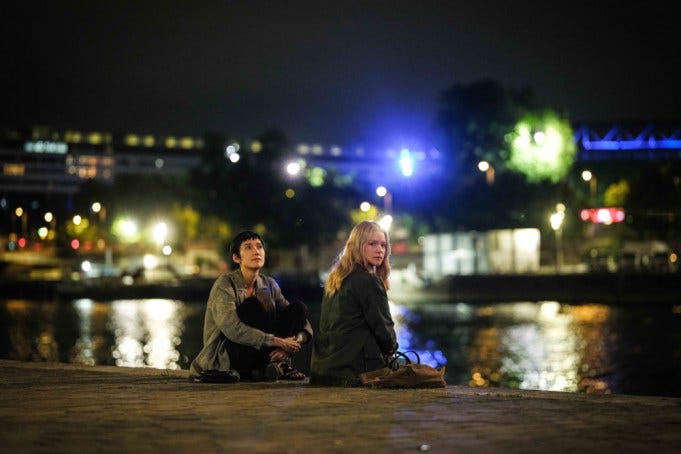
ALL OF A SUDDEN by Ryusuke Hamaguchi
Hamaguchi’s first film in French, so I have some prejudicial concerns4, but when has he let me down? Never. So, I’m hopeful I’ll have a chance to see this in France. The last time I was at Cannes, I missed DRIVE MY CAR (a film I love), so penance is required.
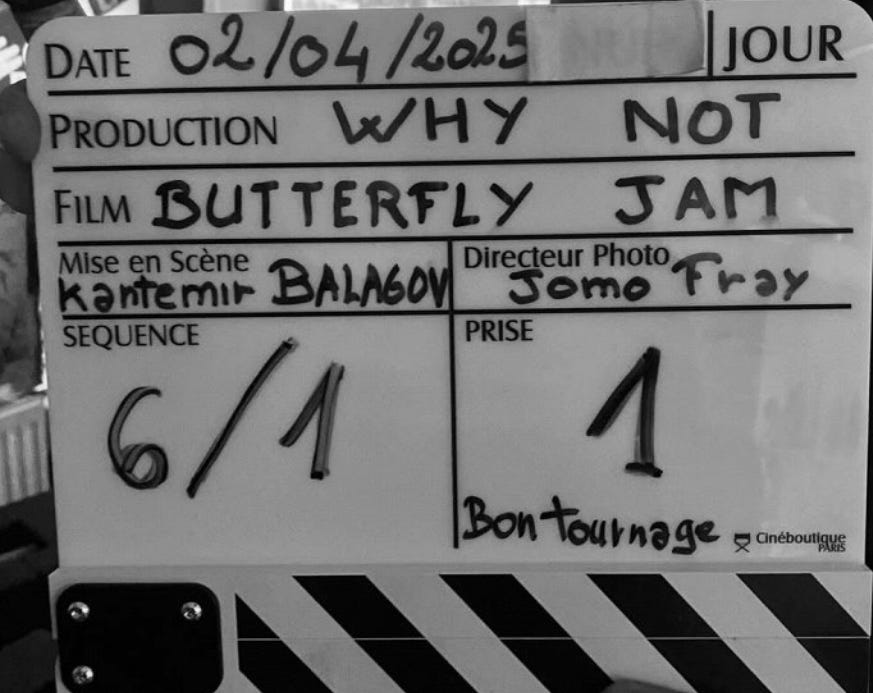
BUTTERFLY JAM by Kantemir Balagov
Another artist making the linguistic leap, this time into English, and where does he land? New Jersey. As the person responsible for the leading film festival in New Jersey, uh, this one is a can’t miss for me. Balagov’s BEANPOLE was already seven years ago, and he has such a unique style, I am very interested to see what he has here. Can we get Balagov to bring this movie home to NJ? Let’s see what he’s got!
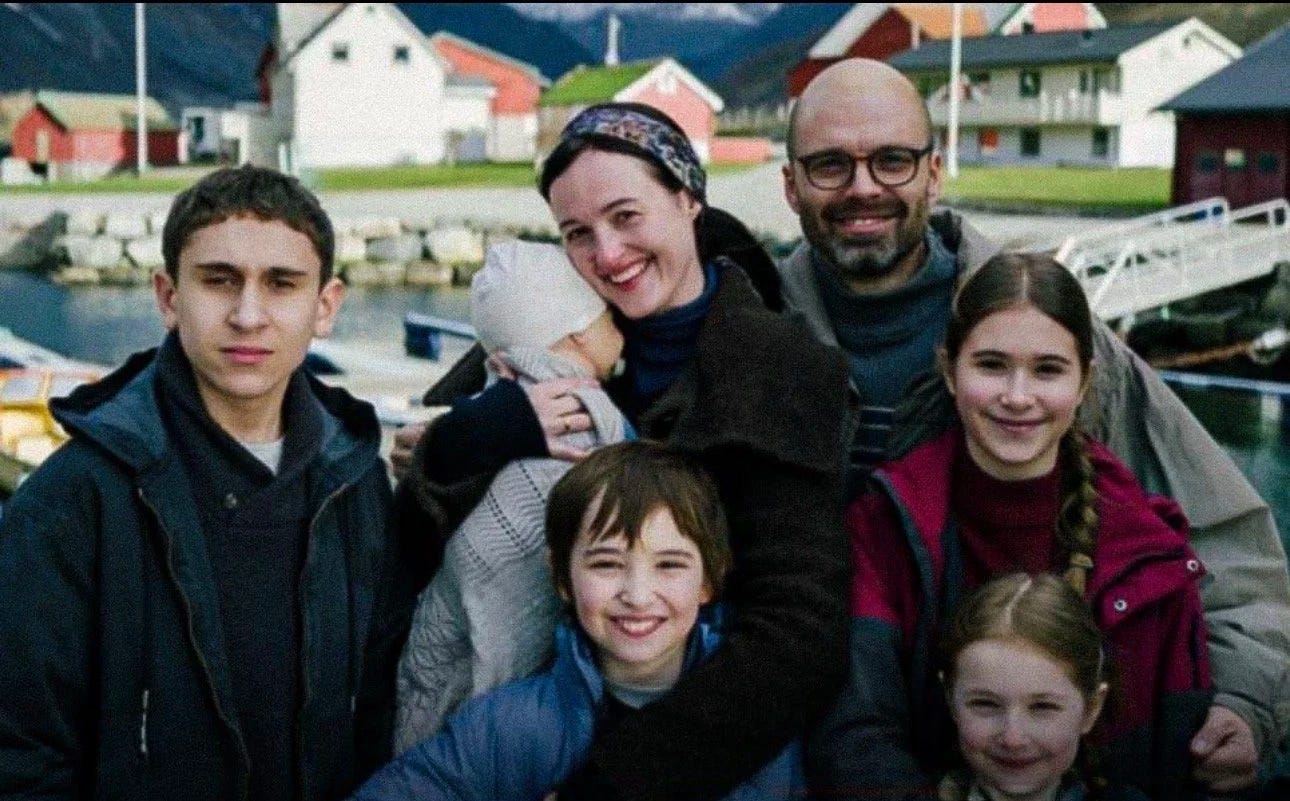
FJORD by Cristian Mungiu
Mungiu in Norway with Renate Reinsve and Sebastian Stan? Put this directly into my eyeballs. I’ve been dying to see this since I heard about it, so please let it happen!
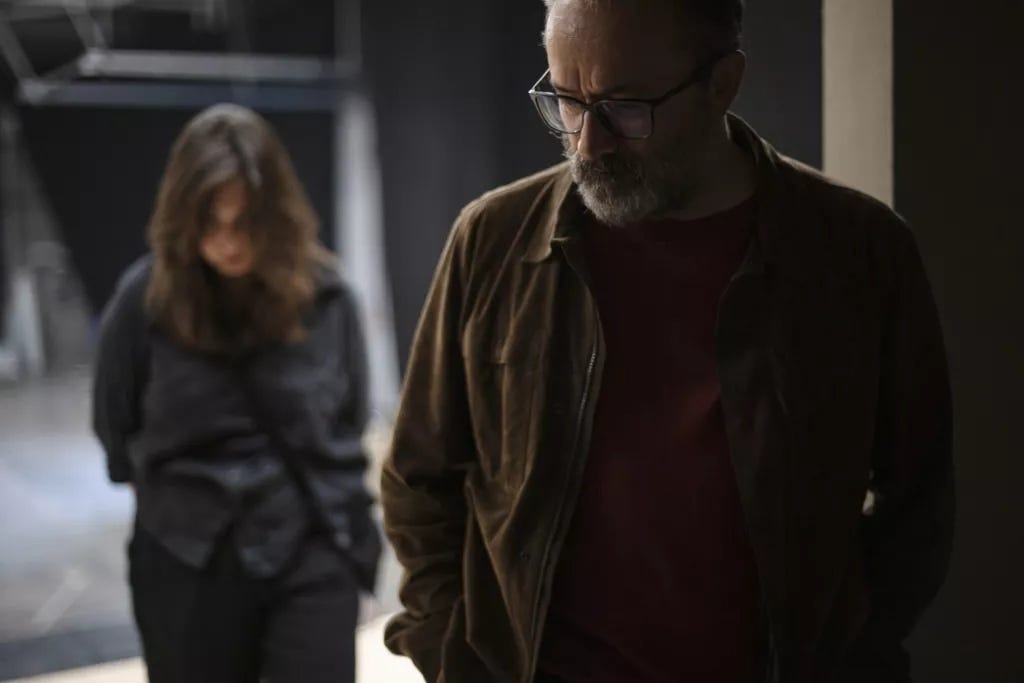
MINOTAUR by Andrey Zvyagintsev
One of my favorite filmmakers, Andrey Zvyagintsev hasn’t had a film since 2017’s LOVELESS, so I am beyond excited he has a new film. MINOTAUR, which is reportedly about corporate and moral corruption in Russia, sounds of a piece with my favorite of his films, 2014’s LEVIATHAN, which is an all-timer in this household.
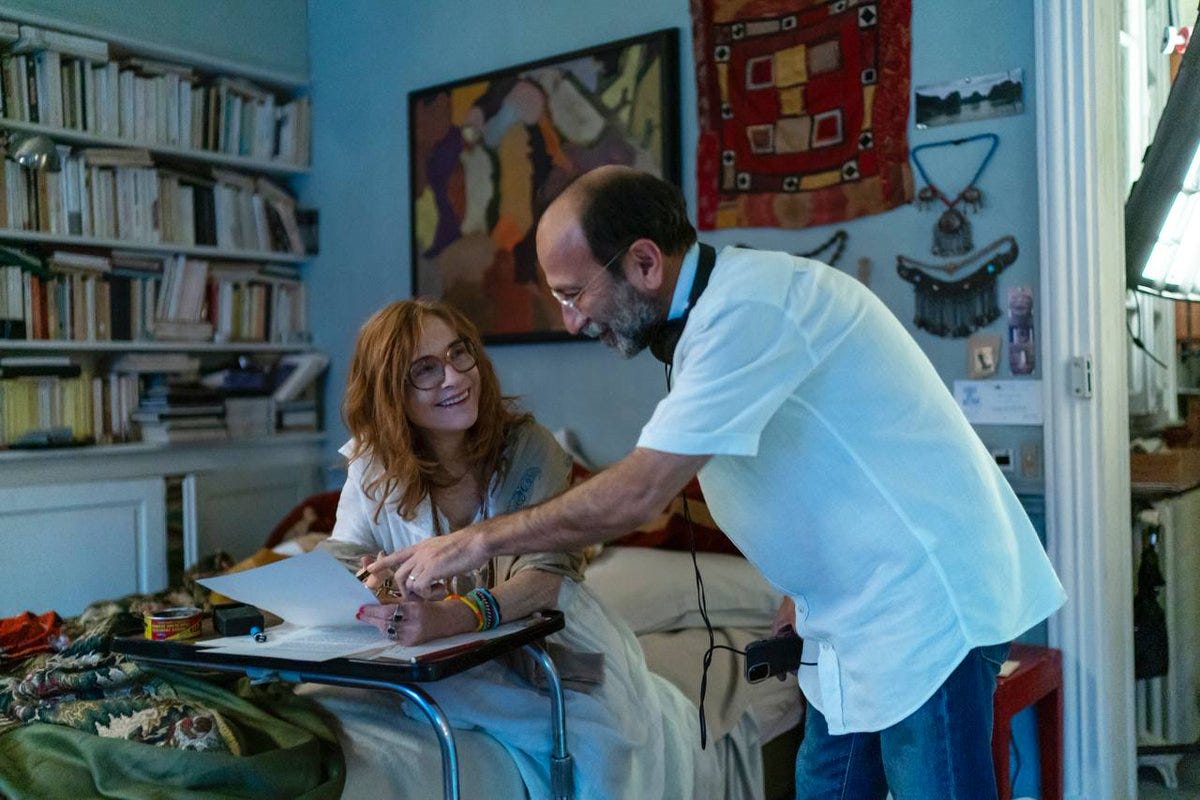
PARALLEL TALES by Asghar Farhadi
Cinema can bring the world together like no other art form and while war between the United States and Iran is a huge piece of baggage to put on a filmmaker’s work, every opportunity to forge empathy and connection between the people of our nations should be treated as a gift. A new Farhadi film of any kind is mandatory viewing, but this feels urgently so.
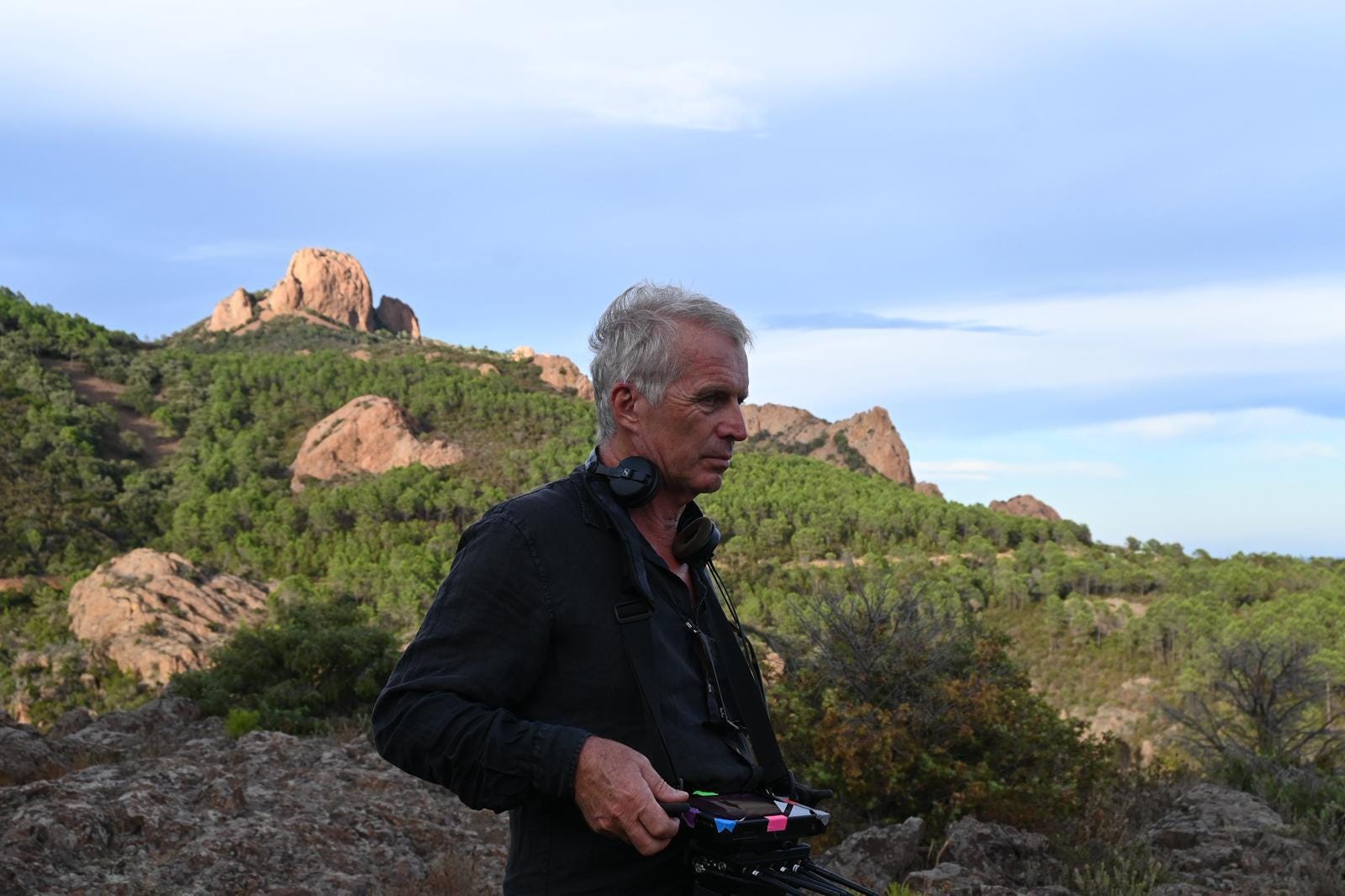
RED ROCKS by Bruno Dumont
My first ever screening at Cannes was in 1999, an 8:00 AM screening in the Grand Auditorium Louis Lumère of Bruno Dumont’s L’HUMANITE, a film whose opening shots are seared into my brain forever. Since then, Dumont has gone on to have a wildly diverse career, but there’s no forgetting your first time, and I would love to have a full circle moment with his work.
No matter what ends up playing the Palais, I am just grateful to be going back to Cannes after five years. I’m already dry cleaning my tuxedo.
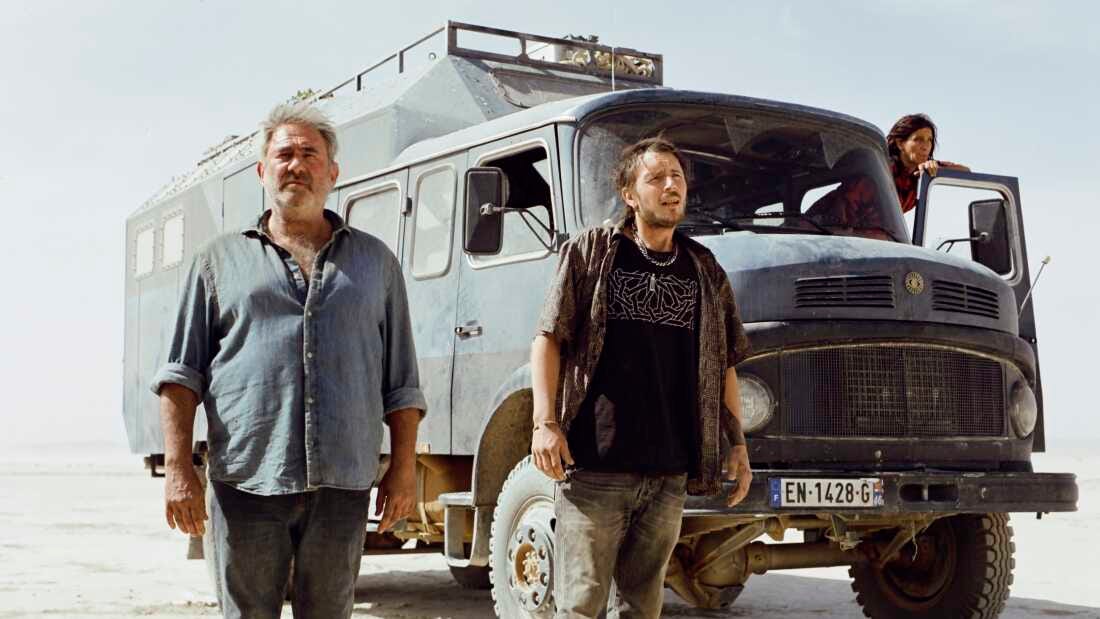
SIRÂT by Oliver Laxe
And speaking of Cannes…
Film programmers are not supposed to have favorites, but let’s just be honest here— while the job is not about picking favorites, but instead creating programs that meet the organizational mission of the institutions for which we work, we can’t help but have our own tastes and opinions and loves. Now that the award season is over, I can say that many of my favorite films of the last year were rewarded throughout the interminable months of trophy distribution, with two of my personal favorites, ONE BATTLE AFTER ANOTHER and SENTIMENTAL VALUE5, amply rewarded for their excellence by award season voters. But as we move forward past the manufactured hype of award season and into the long tail of time, which forges its own canon, one film stands out for me as having gone under seen, under discussed, and under rewarded— SIRÂT, by Oliver Laxe.
The film premiered at Cannes in 2025 and as always, I was glued to my web browser, toggling between tabs to read trade reviews, in person impressions, and articles about the festival program. If I remember correctly, SIRÂT premiered rather early in the festival competition6, coming on the heels of rave reviews for yet another excellent film that went under seen, Masha Schilinski’s SOUND OF FALLING. I am not sure I have ever quite read film reviews like ones that were written about the SIRÂT premiere— crafted on a rushed deadline as critics raced to get their pieces published ahead of one another, it was clear that writing about this film was extremely challenging. Not only do you not want to spoil the film, but it is extremely hard to describe in a way that will not ruin the experience of seeing it because, in the end, SIRÂT is a movie about the experience of seeing the movie in a way that others simply are not.
First, the film is designed to be disorienting and overwhelming, both for its characters and its audience. From the opening shots of the film through to its devastating final moments, Laxe keeps the audience extremely close to the experience of what is happening on screen. That may just sound like a simple function of “what movies do”— “machines that generate empathy” etc— but SIRÂT is built differently, and the experience of what is happening onscreen is unlike anything we have experienced in a cinema, in our own lives, or that we’ve even contemplated experiencing or seeing. And that is the key to Laxe’s storytelling— through a combination of familiar, human emotion and the unique disorientation that only cinema can create, Laxe made a movie like no other. And while you can certainly point to influences7, you absolutely cannot say that you’ve seen (or heard8) anything like it before.
So, I am not going to fall into the trap of trying to describe or explain SIRÂT. All I can do is urge you to find the largest, loudest cinema you can, and experience this movie. It will change you by delivering an unforgettable cinematic experience, and that, in this day and age, is an incredible artistic accomplishment.

My Life by Julia Cumming
Julia Cumming, the lead singer and bass player in the terrific NYC band Sunflower Bean, has a debut solo album called Julia coming out in April. Ahead of that release, she has dropped her first single My Life, which begins as a beautifully minimalist piece of timeless songwriting that blossoms into a glorious chamber pop flower. Gorgeous, intimate, and loaded with harmonies, strings, and outstanding production, it is stunning to hear pop music like this coming into the world in 2026. Julia comes by her craft honestly— she is a true fan and scholar of classic popular music, and it shows, but in a way that is wholly, originally her own. She’s playing a record release show on April 28 in Brooklyn, and I’ll be there, but you can tide yourself over with a look at the outstanding new video for the song, directed as a “oner!” by the great Edgar Wright.
More of this in the world, please and thank you:
This is not to say that outrage is not justified— it absolutely is. But building a meaningful reaction to that outrage means not helping propaganda spread and define our information environment.
How has it been 8 YEARS since COLD WAR? OMG, WTF!
Which is probably due for a re-read
Directors making the leap into new languages can often create complicated issues around how they handle performances, so I’ll be very interested to see how Hamaguchi’s mastery of subtlety translates— literally.
About which more when the new Criterion release of SENTIMENTAL VALUE hits my collection so I can give it thorough re-watches.
Cannes premieres two films a day in competition, giving the same focused, red carpet treatment to every film in the competition. Which, if you can afford it, is how it should be done. Nothing more magical than the Cannes red carpet premieres, sorry everyone, but it’s the best.
Yes, WAGES OF FEAR/SORCERER, but I’ve also seen comparisons dystopian sci-fi like MAD MAX, etc. Maybe? I don’t want to diminish it by comparison, which doesn’t really illuminate anything about SIRÂT itself.
The film was rightfully nominated for its sound design and, in my estimation, should have won. You will never forget the sound of this movie.